
Updated 31 augustus 2026
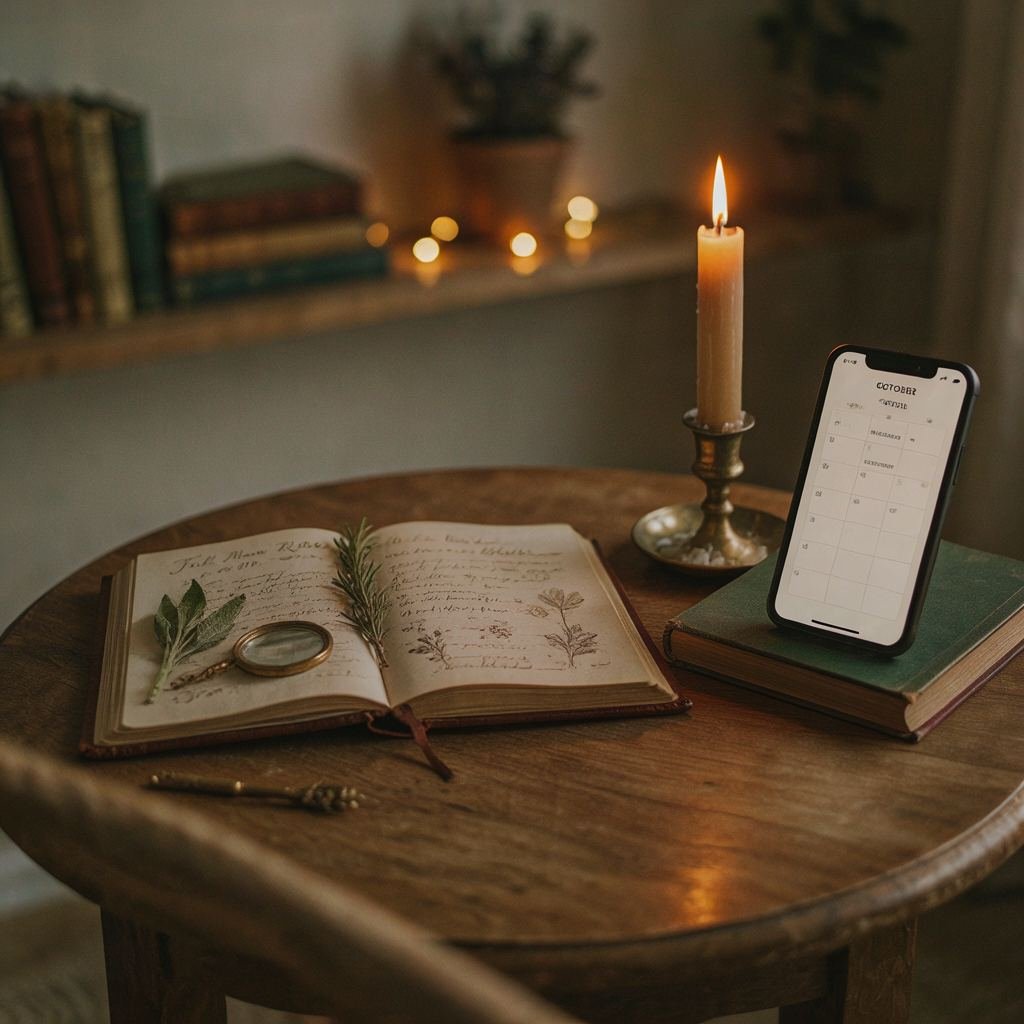
Automating a spell does not remove the part where you write it down. If anything, a spell that runs itself on a schedule needs a clearer paper trail than a one-off casting: what you set up, when it triggered, what changed. A grimoire journal is where that record lives, separate from whatever app or script is doing the actual scheduling. We looked at the blank journals that keep coming up for exactly this kind of use and picked the ones worth building a working grimoire around.
TIEFOSSI Line Journal Notebook, 316 Pages
For most practitioners, the 316-page lined journal is the easiest one to actually fill in: enough pages to log a full year of automated spellwork without switching journals halfway through, at a price that does not make you precious about writing in it.
See Price on Amazon →Our Top Picks at a Glance
| Award | Product | Price tier | Link |
|---|---|---|---|
| Best Overall | TIEFOSSI Line Journal Notebook, 316 Pages | $ · Budget | View |
| Best for a Working Altar | 3 Moon Blue Lapis Embossed Vintage Leather Journal, 240 Pages | $$ · Mid-range | View |
| Best Compact Pick | LEATHER VILLAGE Leather Bound Journal, Exposed Spine, 6×4 | $$$ · Premium | View |
The Reviews
TIEFOSSI Line Journal Notebook, 316 Pages
316 pages is enough room to log a full cycle of automated spellwork, from the first setup notes through months of triggered runs, without running out halfway through. It carries the highest reader rating of the journals here, and the plain lined pages work equally well for sigils, timing notes, or a straightforward log of what a script did and when. Nothing about it forces a particular grimoire style, which makes it easier to keep using consistently.
Pros
- 316 pages, room for a full year of logging
- Highest reader rating of the picks here
- Plain lined pages, flexible for any format
- Priced for daily use, not just display
Cons
- Simpler cover than the leather-bound options
- No built-in ribbon or tab system for quick lookup
Skip it if: you want a journal with a leather cover for the shelf presence.
See Price on Amazon →3 Moon Blue Lapis Embossed Vintage Leather Journal, 240 Pages
The embossed leather cover and deckle-edge pages read as a grimoire rather than a notebook, which matters if the journal is going to sit out on an altar between uses rather than stay in a drawer. 240 pages is a bit shorter than the top pick, but still enough for sustained use, and the antique-style paper suits handwritten sigils and diagrams better than plain lined stock.
Pros
- Embossed leather cover, altar-ready look
- Deckle-edge antique-style paper suits sigils and diagrams
- 240 pages, solid working length
- Strong reader rating
Cons
- Fewer pages than the 316-page pick
- Textured paper is less ideal for fine ballpoint writing
Skip it if: you mainly want lined pages for straightforward logging.
See Price on Amazon →LEATHER VILLAGE Leather Bound Journal, Exposed Spine, 6×4
At 6×4 inches, this is the one that fits in a bag or a small altar drawer rather than staying on a shelf. The exposed-spine binding lies flatter than most bound journals, which helps when you are writing mid-ritual rather than at a desk. It is the smallest journal here, so it suits quick timing notes and short logs better than long-form spellwork records.
Pros
- Compact 6×4 size, portable
- Exposed-spine binding lies flat for writing
- Genuine leather cover
- Solid reader rating
Cons
- Smaller page size limits room for diagrams
- Not the pick for long-form daily logging
Skip it if: you need a full-size journal for detailed daily entries.
See Price on Amazon →What to look for
Frequently asked questions
What is the best grimoire journal for logging automated spellwork?
The 316-page lined journal is the easiest to keep using long-term, since it has enough room for a full cycle of logging without switching journals partway through. For a more traditional grimoire look kept on a working altar, the embossed leather journal with deckle-edge pages is the better fit.
Do I still need a physical journal if a script or app handles the spell scheduling?
Yes, for a different reason. The automation handles the trigger; the journal holds your notes on why you set it up that way and what you observed afterward. Most practitioners keep the two separate rather than relying on an app's own logs as the full record.
Does page size matter for a grimoire journal?
It depends on how you use it. A larger page suits diagrams and longer entries, while a smaller, more portable journal like the 6×4 exposed-spine pick works better for quick timing notes or logs written away from a desk.
Is a leather cover necessary for a grimoire journal?
No. It is a style preference more than a functional one. A plain lined journal works just as well for logging, and some practitioners prefer it precisely because it does not feel too precious to write in regularly.
How does this fit with the automated spellwork content on this site?
This guide covers the physical record-keeping side of the practice. The scheduling and automation tools covered elsewhere on this site handle when and how a spell runs; the journal is where you track the reasoning and results over time.
How we chose
We compared real Amazon listings for leather and bound journals marketed toward grimoire and spellbook use, focusing on page count (so the journal outlasts a single season of practice), binding that lies flat for writing, and verified reader ratings, rather than picking on cover design alone.
This site is reader-supported and may earn a commission on qualifying bookings or purchases made through our links, including as an Amazon Associate. Prices and availability shown by our partners are always current on their own site; check the live listing before buying.